Search results
Showing 8148 results
Filter by
-

 Wildlife in Papua New Guinea: The importance of wildlife and its conservation strategy in a subsistence economySecretariat of the Pacific Regional Environment Programme (SPREP)Text
-
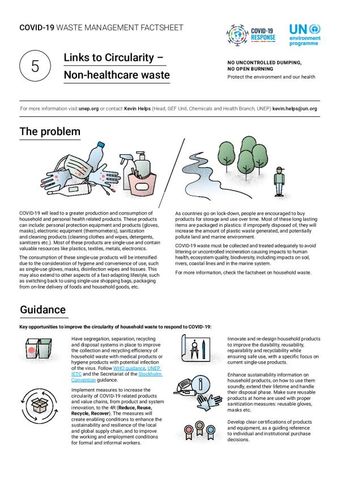 5. Links to Circularity Non-healthcare waste factsheetSecretariat of the Pacific Regional Environment Programme (SPREP)Text
-
 6. Linkages of Air Quality and COVID-19 factsheetSecretariat of the Pacific Regional Environment Programme (SPREP)Text
-
 Household medical waste management strategies factsheetSecretariat of the Pacific Regional Environment Programme (SPREP)Text
-
The first global integrated Marine assessment: World Ocean Assessment ISecretariat of the Pacific Regional Environment Programme (SPREP)Text
-
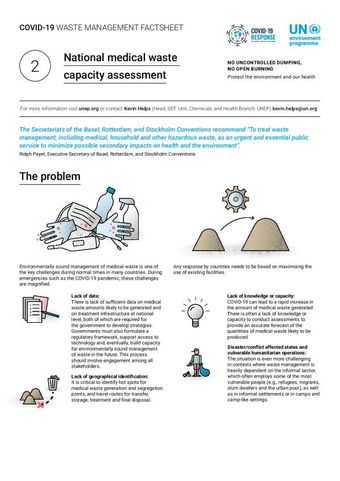 2. National medical waste capacity assessmentSecretariat of the Pacific Regional Environment Programme (SPREP)Text
-
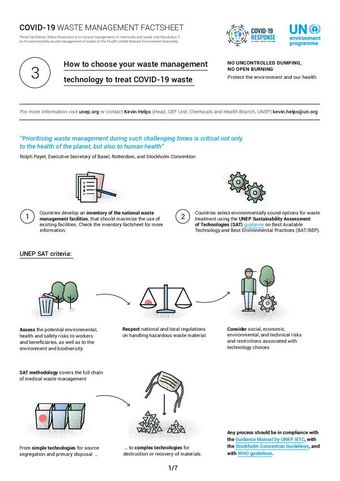 3. How to choose your waste management technology to treat COVID-19 waste factsheetSecretariat of the Pacific Regional Environment Programme (SPREP)Text
-
 4. Policy and legislation linked to COVID-19 and pandemics factsheetSecretariat of the Pacific Regional Environment Programme (SPREP)Text
-
Wildlife in Papua New Guinea: Selected Literature for the identification of Papua New WildlifeSecretariat of the Pacific Regional Environment Programme (SPREP)Text
-
Wildlife in Papua New Guinea: Rat pests and possible control methods in Papua New GuineaSecretariat of the Pacific Regional Environment Programme (SPREP)Text
-
Wildlife in Papua New Guinea: A dictionary of the generic and family names of the tetrapods of the Papua RegionSecretariat of the Pacific Regional Environment Programme (SPREP)Text
-
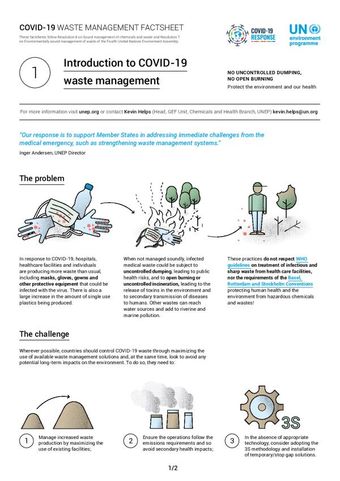 1. Introduction to COVID-19 waste management factsheetSecretariat of the Pacific Regional Environment Programme (SPREP)Text
Results per page
Welcome and warm Pasifik greetings
The information on this site has been gathered from our content partners.
The names, terms, and labels that we present on the site may contain images or voices of deceased persons and may also reflect the bias, norms, and perspective of the period of time in which they were created. We accept that these may not be appropriate today.
If you have any concerns or questions about an item, please contact us.