Halo wantok!
Lukluk raun na kisim save long ol samting bilong Papua Niugini. Yumi wan solwara!
Showing 128668 items from Papua New Guinea
Filter by
-
 PMIZ RENAMEDEMTV OnlineVideo Papua New Guinea Online
 -
 Infocus Episode 19 - How could PNG’s income tax schedule be ImprovedEMTV OnlineVideo Papua New Guinea Online
 -
 NATIONAL EMTV NEWS | 6PM | MONDAY 09th JUNE, 2025EMTV OnlineVideo Papua New Guinea Online
 -
 TRUKAI ON GST CUTEMTV OnlineVideo Papua New Guinea Online
 -
 RAPA ON INVESTMENTSEMTV OnlineVideo Papua New Guinea Online
 -
 NASFUND WEWAK ARRANGEMENTEMTV OnlineVideo Papua New Guinea Online
 -
 KOMAIP BRIDGE COMPLETEEMTV OnlineVideo Papua New Guinea Online
 -
 LOOKOUT RENAMEDEMTV OnlineVideo Papua New Guinea Online
 -
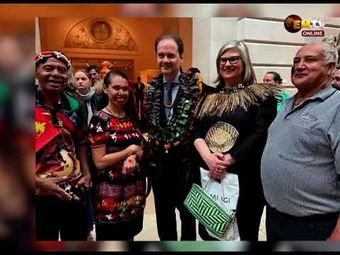 AIR NIUGINI SUPPORTS CULTUREEMTV OnlineVideo Papua New Guinea Online
 -
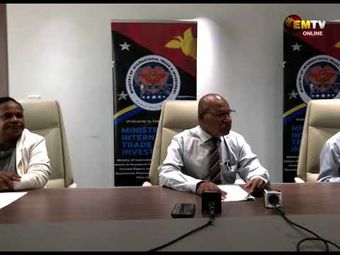 SEZ LICENCEEMTV OnlineVideo Papua New Guinea Online
 -
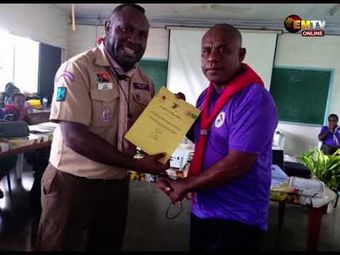 BOY SCOUTS CURRICULUMEMTV OnlineVideo Papua New Guinea Online
 -
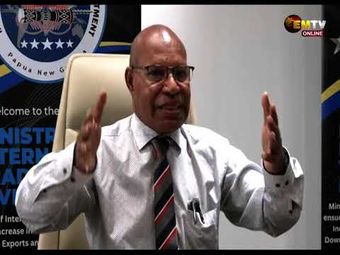 PM TO LAUNCH POLICYEMTV OnlineVideo Papua New Guinea Online
Results per page
Papua New Guinea
Welcome and warm Pasifik greetings
The information on this site has been gathered from our content partners.
The names, terms, and labels that we present on the site may contain images or voices of deceased persons and may also reflect the bias, norms, and perspective of the period of time in which they were created. We accept that these may not be appropriate today.
If you have any concerns or questions about an item, please contact us.