Secretariat of the Pacific Regional Environment Programme (SPREP)
The SPREP Library system exists to provide environmental information services to its member countries. It is a unique repository of publications, periodicals, scientific and technical reports.

Showing 8641 items from Secretariat of the Pacific Regional Environment Programme (SPREP)
Filter by
-
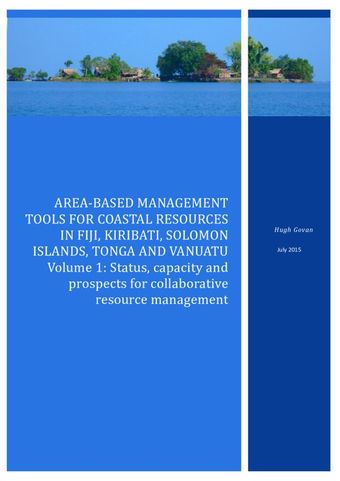
 Area-based management tools for coastal resources in Fiji, Kiribati, Solomon Islands, Tonga and Vanuatu - Volume 1: Status, capacity and prospects for collaborative resource managementSecretariat of the Pacific Regional Environment Programme (SPREP)Text
 -
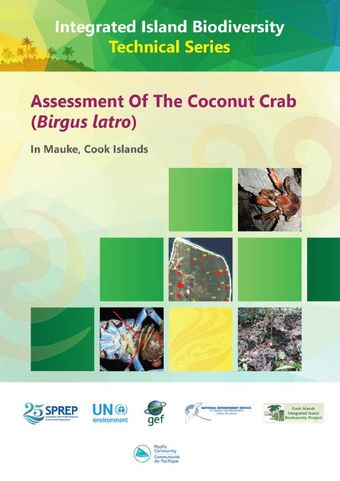 Assessment of the Coconut Crab (Birgus latro) - In Mauke, Cook IslandsSecretariat of the Pacific Regional Environment Programme (SPREP)Text Pacific Region
 -
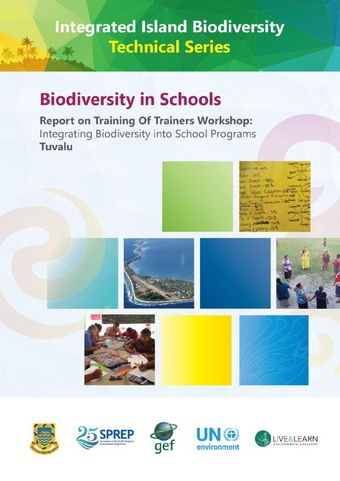 Biodiversity in Schools : Report on training of trainers workshop : Integrating biodiversity into school program TuvaluSecretariat of the Pacific Regional Environment Programme (SPREP)Text Tuvalu
 -
 Lands protect to rateSecretariat of the Pacific Regional Environment Programme (SPREP)Text
 -
L'agriculture vivriére indigéne aux Nouvelles-HébridesSecretariat of the Pacific Regional Environment Programme (SPREP)Text
-
Evolution of the New Hebraidean AvifaunaSecretariat of the Pacific Regional Environment Programme (SPREP)Text
-
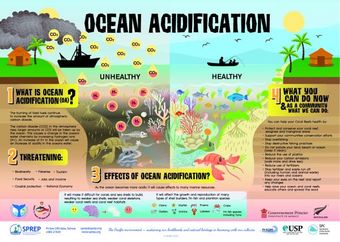 Ocean AcidificationSecretariat of the Pacific Regional Environment Programme (SPREP)Text
 -
MiscellanéesSecretariat of the Pacific Regional Environment Programme (SPREP)Text
-
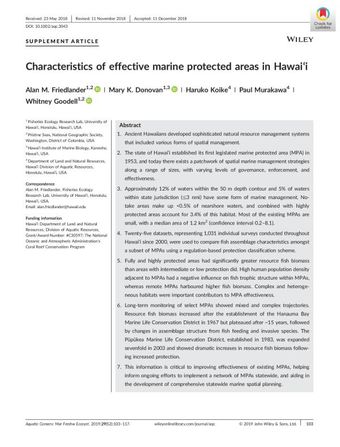 Characteristics of effective marine protected areas in Hawai'iSecretariat of the Pacific Regional Environment Programme (SPREP)Text
 -
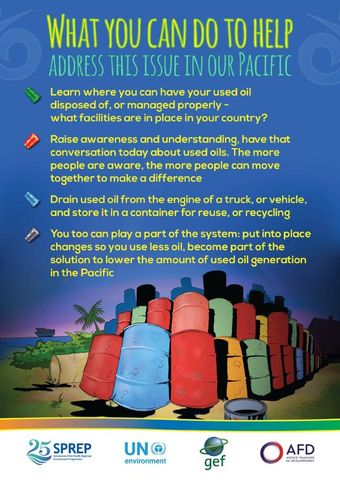 What can you do to help address this issue in our PacificSecretariat of the Pacific Regional Environment Programme (SPREP)Text Pacific Region
 -
 What are used oils?Secretariat of the Pacific Regional Environment Programme (SPREP)Text
 -
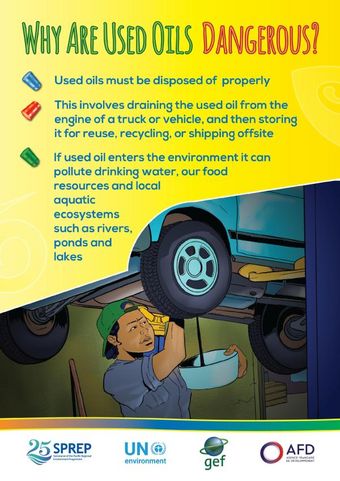 Why are used oils dangerous?Secretariat of the Pacific Regional Environment Programme (SPREP)Text Pacific Region
Results per page
Secretariat of the Pacific Regional Environment Programme (SPREP)
Welcome and warm Pasifik greetings
The information on this site has been gathered from our content partners.
The names, terms, and labels that we present on the site may contain images or voices of deceased persons and may also reflect the bias, norms, and perspective of the period of time in which they were created. We accept that these may not be appropriate today.
If you have any concerns or questions about an item, please contact us.